

Understanding the impact of climate change in the Arctic and across the rest of the planet

Theme(s)

Challenge

Duration

2023-2026

Locations

France – Arctic

Project funding

CONTEXT


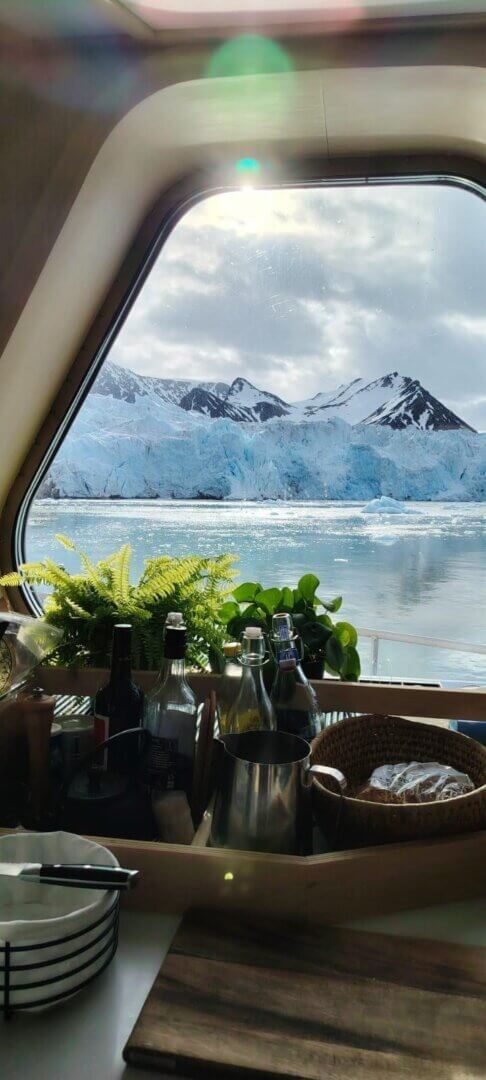
The Arctic Ocean is a remote, extreme and largely uncharted environment. Much remains unknown about how living organisms manage to adapt to the extreme variability of light, temperatures and sea ice, and how they survive the long polar night.
Over recent decades, this unique ecosystem has become increasingly vulnerable due to global warming and human-caused pollution. The speed of these transformations, combined with the fact that changes observed in the Arctic influence the entire global climate system, make this region a true sentinel of life and climate.

Objectives


  • Better understand the impact of climate change in the Arctic and on the rest of the planet.
  • Improve knowledge of biodiversity on Earth by exploring regions that are currently inaccessible.
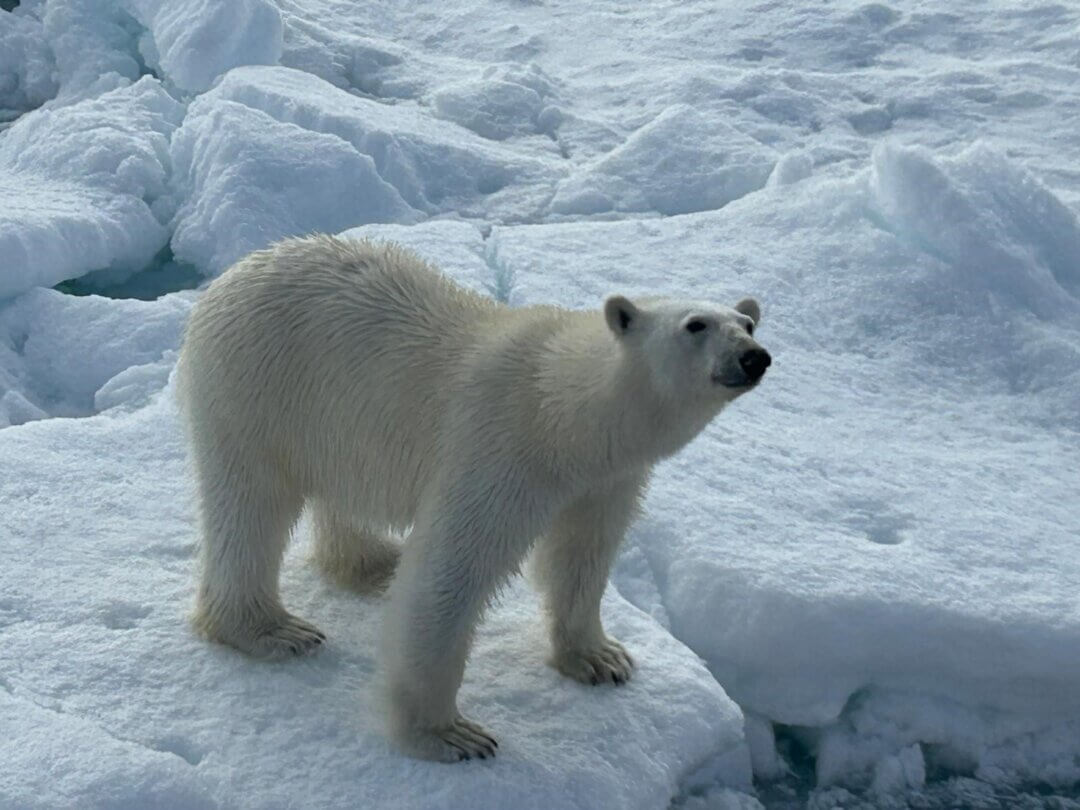
  • Reveal the unique adaptations that have evolved to enable life in this extreme environment.
  • Analyse the consequences of sea ice melting and pollution on these unique and fragile ecosystems.
  • Monitor Arctic fish stocks and the impact of the arrival of more temperate species.
  • Discover new molecules/species/processes with new potential applications.

actions


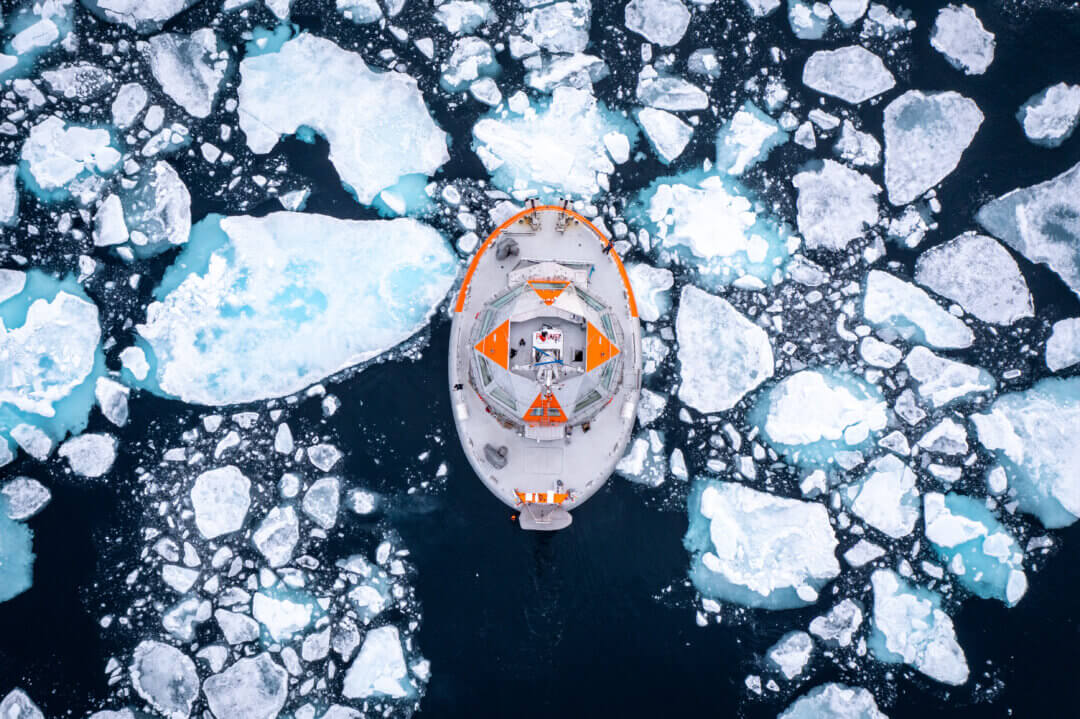
  • Construction of a drifting polar scientific base “Tara Polar”.
  • Conducting multiple drifting expeditions in the Arctic, bringing together on board a multidisciplinary team: scientists (climatologists, biologists, physicists, glaciologists, oceanographers), as well as artists, doctors, journalists and sailors.
  • Documenting and understanding the dynamics of transformations, objectifying scientific data and cataloguing the richness of local biodiversity.

Contexte

CONTEXT


The Arctic Ocean is a remote, extreme and largely uncharted environment. Much remains unknown about how living organisms manage to adapt to the extreme variability of light, temperatures and sea ice, and how they survive the long polar night.
Over recent decades, this unique ecosystem has become increasingly vulnerable due to global warming and human-caused pollution. The speed of these transformations, combined with the fact that changes observed in the Arctic influence the entire global climate system, make this region a true sentinel of life and climate.

Objectives


  • Better understand the impact of climate change in the Arctic and on the rest of the planet.
  • Improve knowledge of biodiversity on Earth by exploring regions that are currently inaccessible.
  • Reveal the unique adaptations that have evolved to enable life in this extreme environment.
  • Analyse the consequences of sea ice melting and pollution on these unique and fragile ecosystems.
  • Monitor Arctic fish stocks and the impact of the arrival of more temperate species.
  • Discover new molecules/species/processes with new potential applications.

actions


  • Construction of a drifting polar scientific base “Tara Polar”.
  • Conducting multiple drifting expeditions in the Arctic, bringing together on board a multidisciplinary team: scientists (climatologists, biologists, physicists, glaciologists, oceanographers), as well as artists, doctors, journalists and sailors.
  • Documenting and understanding the dynamics of transformations, objectifying scientific data and cataloguing the richness of local biodiversity.
© Maéva Bardy - Fondation Tara Ocean
© Fondation Tara Ocean

Contexte

CONTEXT


The Arctic Ocean is a remote, extreme and largely uncharted environment. Much remains unknown about how living organisms manage to adapt to the extreme variability of light, temperatures and sea ice, and how they survive the long polar night.
Over recent decades, this unique ecosystem has become increasingly vulnerable due to global warming and human-caused pollution. The speed of these transformations, combined with the fact that changes observed in the Arctic influence the entire global climate system, make this region a true sentinel of life and climate.

Objectives


  • Better understand the impact of climate change in the Arctic and on the rest of the planet.
  • Improve knowledge of biodiversity on Earth by exploring regions that are currently inaccessible.
  • Reveal the unique adaptations that have evolved to enable life in this extreme environment.
  • Analyse the consequences of sea ice melting and pollution on these unique and fragile ecosystems.
  • Monitor Arctic fish stocks and the impact of the arrival of more temperate species.
  • Discover new molecules/species/processes with new potential applications.

actions


  • Construction of a drifting polar scientific base “Tara Polar”.
  • Conducting multiple drifting expeditions in the Arctic, bringing together on board a multidisciplinary team: scientists (climatologists, biologists, physicists, glaciologists, oceanographers), as well as artists, doctors, journalists and sailors.
  • Documenting and understanding the dynamics of transformations, objectifying scientific data and cataloguing the richness of local biodiversity.

Partner

Fondation Tara Océan

La Fondation Tara Océan, première fondation reconnue d’utilité publique consacrée à l’Océan en France, développe une science ouverte, innovante et inédite devant permettre de prédire et mieux anticiper l’impact du changement climatique.
Elle utilise cette expertise scientifique de très haut niveau pour sensibiliser et éduquer les jeunes générations, mobiliser les décideurs politiques et permettre aux pays en développement d’accéder à ces nouvelles connaissances.
Laboratoire flottant, la goélette Tara a déjà parcouru depuis 2003 près de 450 000 kilomètres, faisant escale dans plus de 60 pays lors de 12 expéditions menées en collaboration avec des laboratoires et organismes internationaux d’excellence (CNRS, CEA, EMBL, PSL, MIT, NASA…).
Ses laboratoires partenaires ont produit plus de 200 publications dans des revues scientifiques de renommée internationale.