Protecting elephants and rhinos through community action

Theme(s)

Challenge

Partners

Duration

2020 – 2026

Locations

Tanzania

Project funding

Context


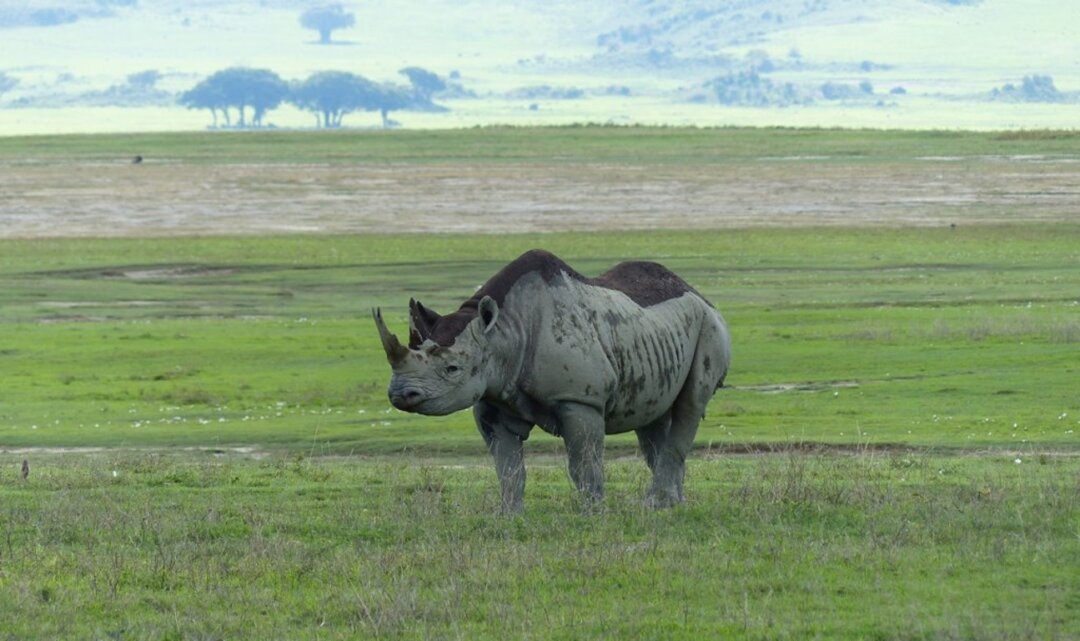
Habitat fragmentation and conflicts with human populations threaten the survival of elephants and rhinos in Tanzania.

Objectives


The project aims to contribute to the conservation of wildlife in the Ngorongoro Conservation Area (NCA) and plans to achieve its goals through the following intervention strategy:

  • Ensure the presence and maintenance of a strong network of informants to gather reliable intelligence for law enforcement operations within the NCA.
  • Maintain a high level of vehicle maintenance for law enforcement units to ensure timely operations.
  • Safeguard the integrity of a vital wildlife corridor connecting the NCA to Lake Manyara National Park.
  • Promote human-elephant/rhino coexistence along the corridor and park boundaries.

Actions


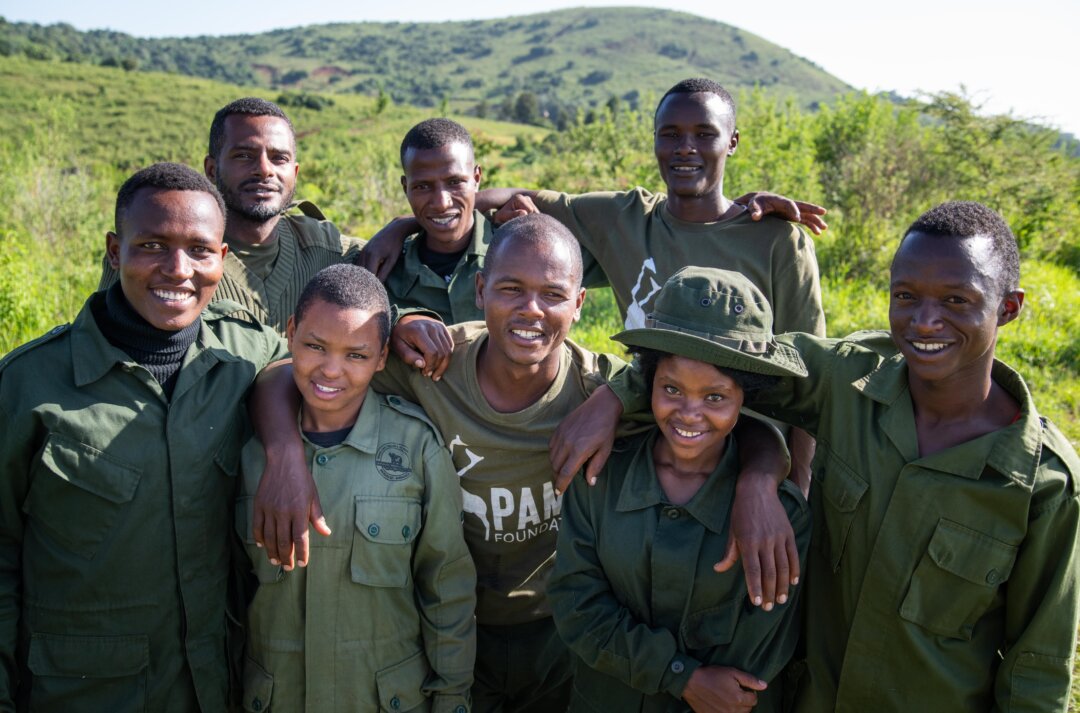
  • Training trackers to monitor elephants and rhinos and their tracks, and to report sightings to local law enforcement.
  • Keeping the fleet of operational vehicles in good condition by providing appropriate maintenance and spare parts.
  • Monitoring wildlife and human-wildlife conflicts in and around the corridor areas.
  • Building chili fences and training farmers in capacity-building techniques to improve human-wildlife coexistence.

Contexte

Context


Habitat fragmentation and conflicts with human populations threaten the survival of elephants and rhinos in Tanzania.

Objectives


The project aims to contribute to the conservation of wildlife in the Ngorongoro Conservation Area (NCA) and plans to achieve its goals through the following intervention strategy:

  • Ensure the presence and maintenance of a strong network of informants to gather reliable intelligence for law enforcement operations within the NCA.
  • Maintain a high level of vehicle maintenance for law enforcement units to ensure timely operations.
  • Safeguard the integrity of a vital wildlife corridor connecting the NCA to Lake Manyara National Park.
  • Promote human-elephant/rhino coexistence along the corridor and park boundaries.

Actions


  • Training trackers to monitor elephants and rhinos and their tracks, and to report sightings to local law enforcement.
  • Keeping the fleet of operational vehicles in good condition by providing appropriate maintenance and spare parts.
  • Monitoring wildlife and human-wildlife conflicts in and around the corridor areas.
  • Building chili fences and training farmers in capacity-building techniques to improve human-wildlife coexistence.
© PAMS
© PAMS
© Gwénaëlle Primat - Fonds Maisha

Contexte

Context


Habitat fragmentation and conflicts with human populations threaten the survival of elephants and rhinos in Tanzania.

Objectives


The project aims to contribute to the conservation of wildlife in the Ngorongoro Conservation Area (NCA) and plans to achieve its goals through the following intervention strategy:

  • Ensure the presence and maintenance of a strong network of informants to gather reliable intelligence for law enforcement operations within the NCA.
  • Maintain a high level of vehicle maintenance for law enforcement units to ensure timely operations.
  • Safeguard the integrity of a vital wildlife corridor connecting the NCA to Lake Manyara National Park.
  • Promote human-elephant/rhino coexistence along the corridor and park boundaries.

Actions


  • Training trackers to monitor elephants and rhinos and their tracks, and to report sightings to local law enforcement.
  • Keeping the fleet of operational vehicles in good condition by providing appropriate maintenance and spare parts.
  • Monitoring wildlife and human-wildlife conflicts in and around the corridor areas.
  • Building chili fences and training farmers in capacity-building techniques to improve human-wildlife coexistence.

Partner

PAMS

La Fondation PAMS est une organisation caritative à but non lucratif enregistrée aux États-Unis, active en Tanzanie. Elle œuvre pour la protection de la faune et des écosystèmes à travers la lutte contre le braconnage et le trafic d’espèces sauvages, la formation des rangers, la promotion de la coexistence pacifique entre les communautés et la faune, l’éducation environnementale dans les écoles, ainsi que l’exploration de zones naturelles pour préserver leur biodiversité.