
Action Plan for a Plastic-Free Lake Geneva

Theme(s)

Challenge

Duration

2026

Locations

Switzerland & France

Project funding

context


According to a model jointly developed by ASL and Earth Action in 2025, Lake Geneva receives nearly 100 tonnes of plastic each year, mainly through stormwater runoff. This pollution threatens lake wildlife through ingestion and obstruction and may also affect human health through the bioaccumulation of toxic substances. More than 900,000 people rely on the lake for their drinking water supply. The automotive, construction, and public infrastructure sectors are the main contributors to this pollution.

Objectives


  • Reduce plastic inputs into Lake Geneva.
  • Support public and private stakeholders in the transition through upstream and downstream actions, including eco-design and waste recovery.
  • Improve understanding of pollution sources and pathways.
  • Raise awareness among the general public and young people to encourage behavioural change.
  • Protect human and environmental health.
  • Preserve water quality over the long term.

actions


  • Develop decision-support tools for public and private stakeholders:
    • Two action catalogues;
    • One open-access digital mapping platform showcasing implemented measures and evaluating the effectiveness of public policies;
    • Redevelopment of the Net’Léman application (800 users and more than 2,000 litter collection initiatives recorded).
  • Citizen science activities:
    • Three studies on litter accumulation on beaches, waste dynamics, and tyre wear particles, involving around one hundred volunteers;
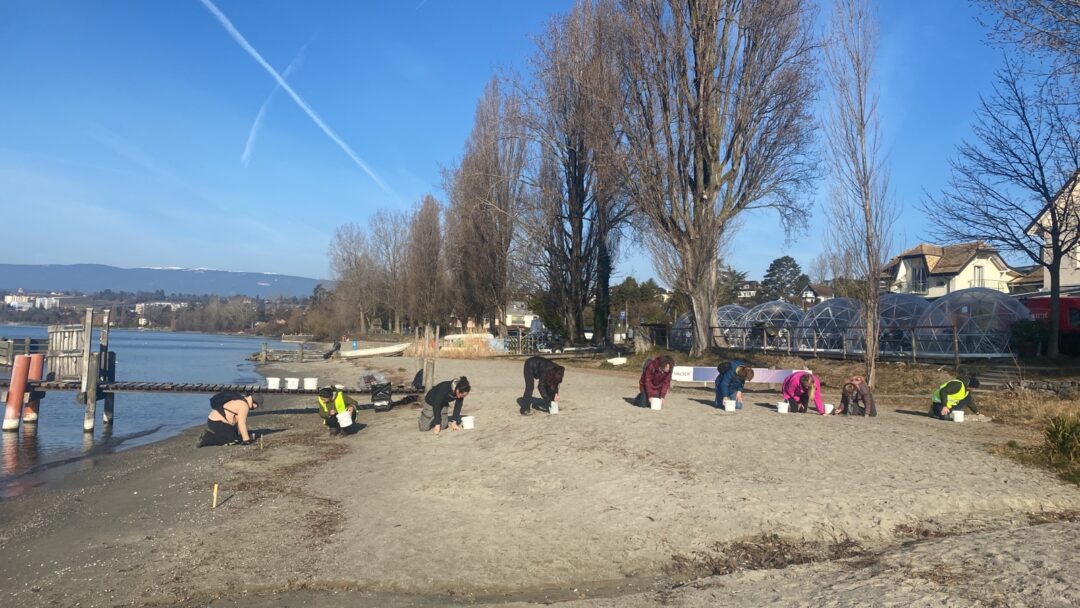
    • At least 80 litter collection and sorting events carried out with companies and community groups.
  • Awareness-raising and stakeholder support:
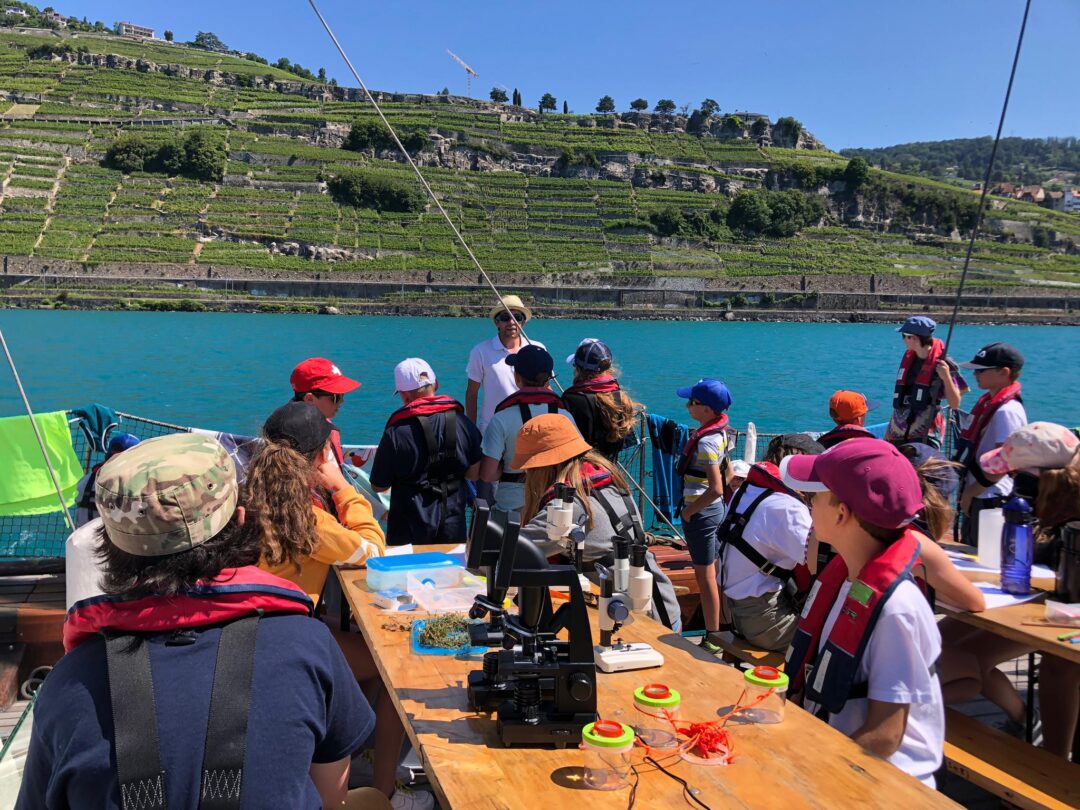
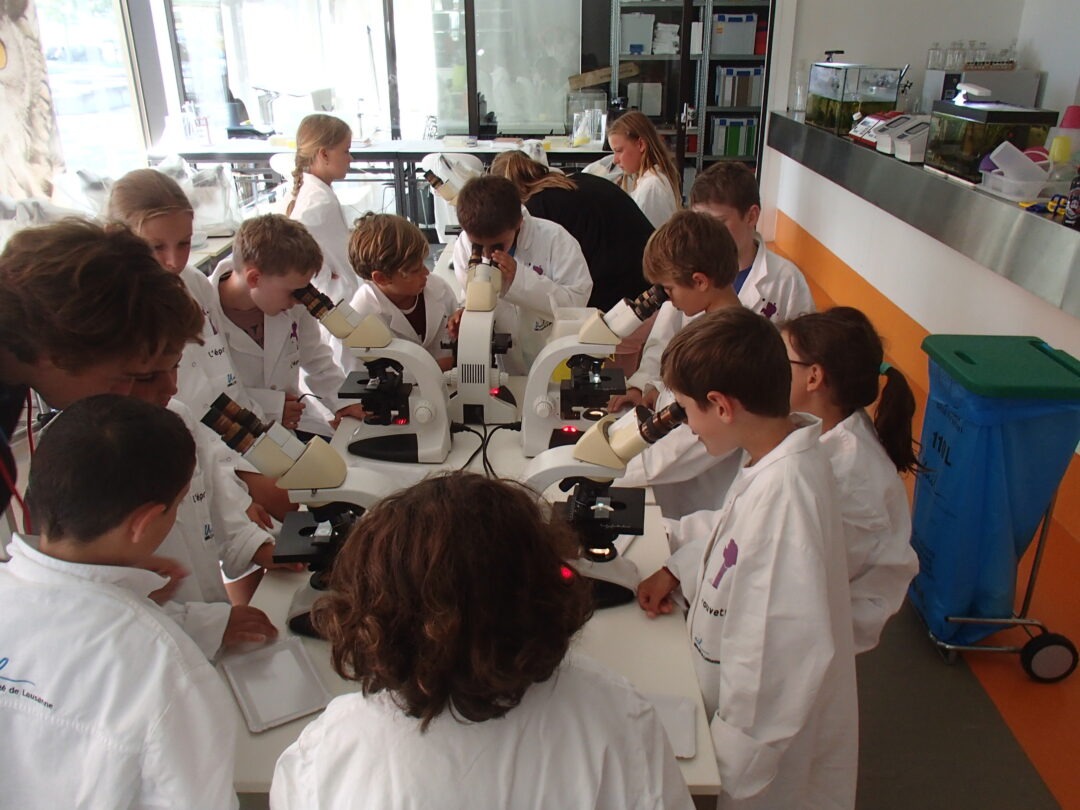
    • Educational workshops reaching 1,600 students;
    • 32 public events (conferences and information stands);
    • Support provided to 20 municipalities and businesses in implementing plastic reduction measures.

Contexte

context


According to a model jointly developed by ASL and Earth Action in 2025, Lake Geneva receives nearly 100 tonnes of plastic each year, mainly through stormwater runoff. This pollution threatens lake wildlife through ingestion and obstruction and may also affect human health through the bioaccumulation of toxic substances. More than 900,000 people rely on the lake for their drinking water supply. The automotive, construction, and public infrastructure sectors are the main contributors to this pollution.

Objectives


  • Reduce plastic inputs into Lake Geneva.
  • Support public and private stakeholders in the transition through upstream and downstream actions, including eco-design and waste recovery.
  • Improve understanding of pollution sources and pathways.
  • Raise awareness among the general public and young people to encourage behavioural change.
  • Protect human and environmental health.
  • Preserve water quality over the long term.

actions


  • Develop decision-support tools for public and private stakeholders:
    • Two action catalogues;
    • One open-access digital mapping platform showcasing implemented measures and evaluating the effectiveness of public policies;
    • Redevelopment of the Net’Léman application (800 users and more than 2,000 litter collection initiatives recorded).
  • Citizen science activities:
    • Three studies on litter accumulation on beaches, waste dynamics, and tyre wear particles, involving around one hundred volunteers;
    • At least 80 litter collection and sorting events carried out with companies and community groups.
  • Awareness-raising and stakeholder support:
    • Educational workshops reaching 1,600 students;
    • 32 public events (conferences and information stands);
    • Support provided to 20 municipalities and businesses in implementing plastic reduction measures.
© ASL
© ASL
© ASL
© ASL
© ASL

Contexte

context


According to a model jointly developed by ASL and Earth Action in 2025, Lake Geneva receives nearly 100 tonnes of plastic each year, mainly through stormwater runoff. This pollution threatens lake wildlife through ingestion and obstruction and may also affect human health through the bioaccumulation of toxic substances. More than 900,000 people rely on the lake for their drinking water supply. The automotive, construction, and public infrastructure sectors are the main contributors to this pollution.

Objectives


  • Reduce plastic inputs into Lake Geneva.
  • Support public and private stakeholders in the transition through upstream and downstream actions, including eco-design and waste recovery.
  • Improve understanding of pollution sources and pathways.
  • Raise awareness among the general public and young people to encourage behavioural change.
  • Protect human and environmental health.
  • Preserve water quality over the long term.

actions


  • Develop decision-support tools for public and private stakeholders:
    • Two action catalogues;
    • One open-access digital mapping platform showcasing implemented measures and evaluating the effectiveness of public policies;
    • Redevelopment of the Net’Léman application (800 users and more than 2,000 litter collection initiatives recorded).
  • Citizen science activities:
    • Three studies on litter accumulation on beaches, waste dynamics, and tyre wear particles, involving around one hundred volunteers;
    • At least 80 litter collection and sorting events carried out with companies and community groups.
  • Awareness-raising and stakeholder support:
    • Educational workshops reaching 1,600 students;
    • 32 public events (conferences and information stands);
    • Support provided to 20 municipalities and businesses in implementing plastic reduction measures.

Partner

ASL – Association pour la Sauvegarde du Léman

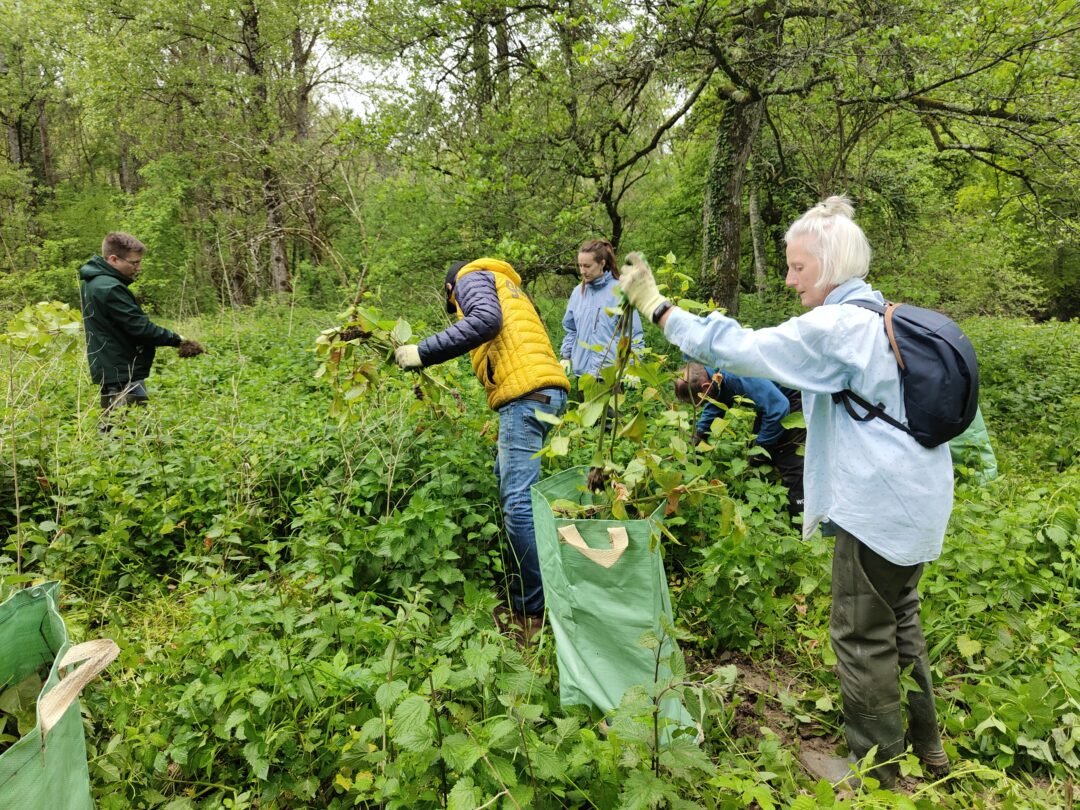
The Association pour la Sauvegarde du Léman (ASL) is a non-profit French-Swiss organization dedicated to safeguarding the quality of the waters of Lake Geneva and the rivers within its watershed. Following its successful campaign against phosphate pollution, the association now focuses on a range of emerging environmental challenges, including macro-litter, microplastics, micropollutants, and invasive species.

ASL works on a daily basis to protect the lake ecosystem through scientific monitoring, awareness-raising, public engagement, and collaboration with local authorities and stakeholders. Its expertise and commitment are widely recognized by federal, cantonal/departemental, and municipal authorities, as well as by the general public, for their rigor, independence, and objectivity.