
Protecting bees and raising awareness among the Next Generation

Theme(s)

Challenge

Duration

2026-2027

Locations

Switzerland – Geneva

Project funding

Context


The decline of pollinators, particularly bees, is a major challenge for biodiversity, agriculture and food security. Yet their crucial role remains poorly understood, especially among children. Schools in Geneva have expressed strong interest in practical, immersive environmental education programmes that can transform knowledge into a lasting connection with nature and encourage biodiversity-friendly behaviours.

Objectives


  • Improve children’s understanding of the role of bees and other pollinators over the long term.
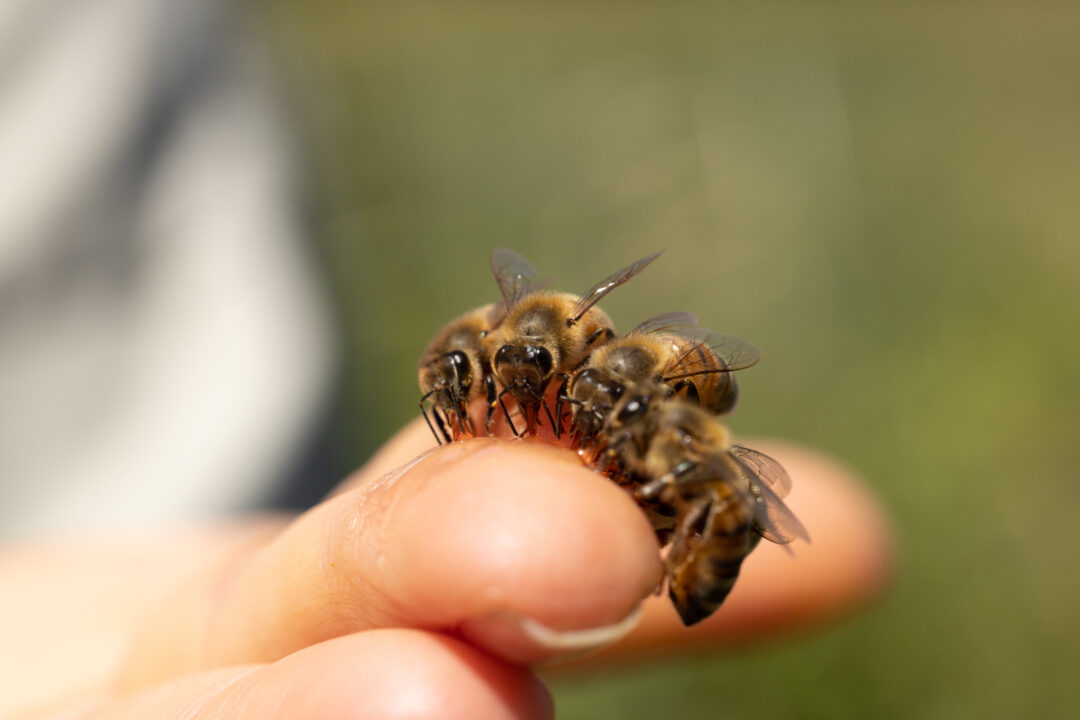
  • Change perceptions by addressing fears and misconceptions through direct experiences with living organisms.
  • Encourage biodiversity-friendly behaviours among children and, by extension, within their families.

Actions


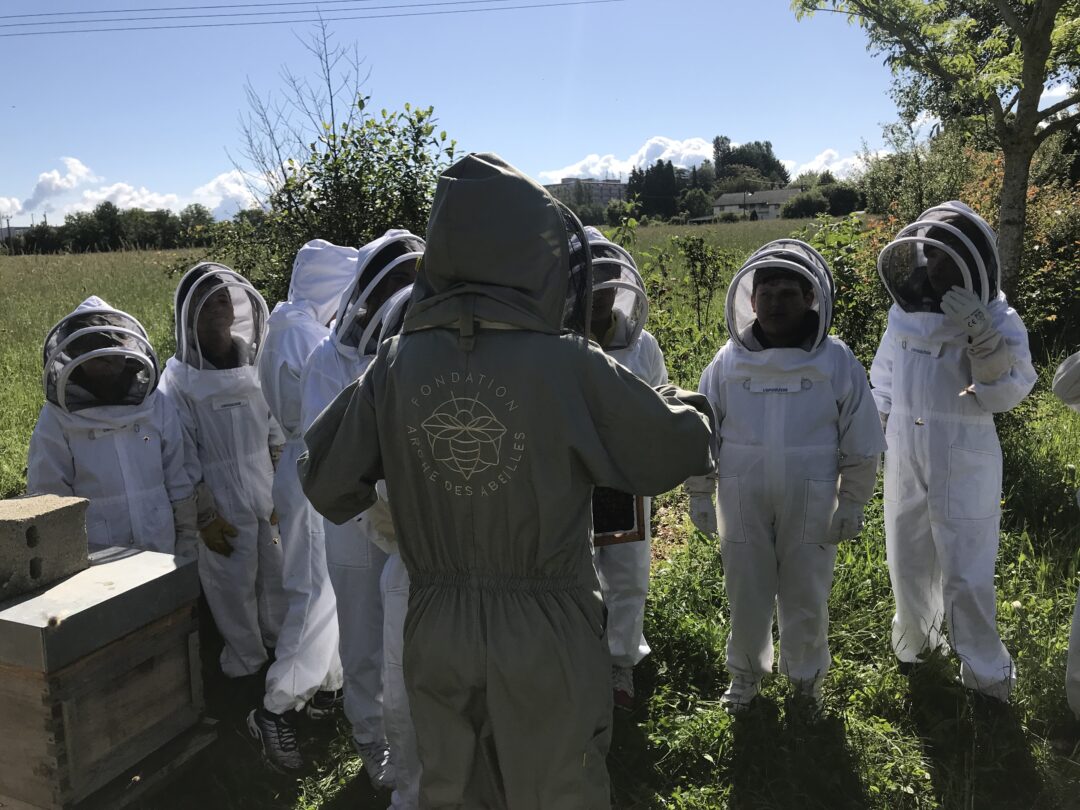
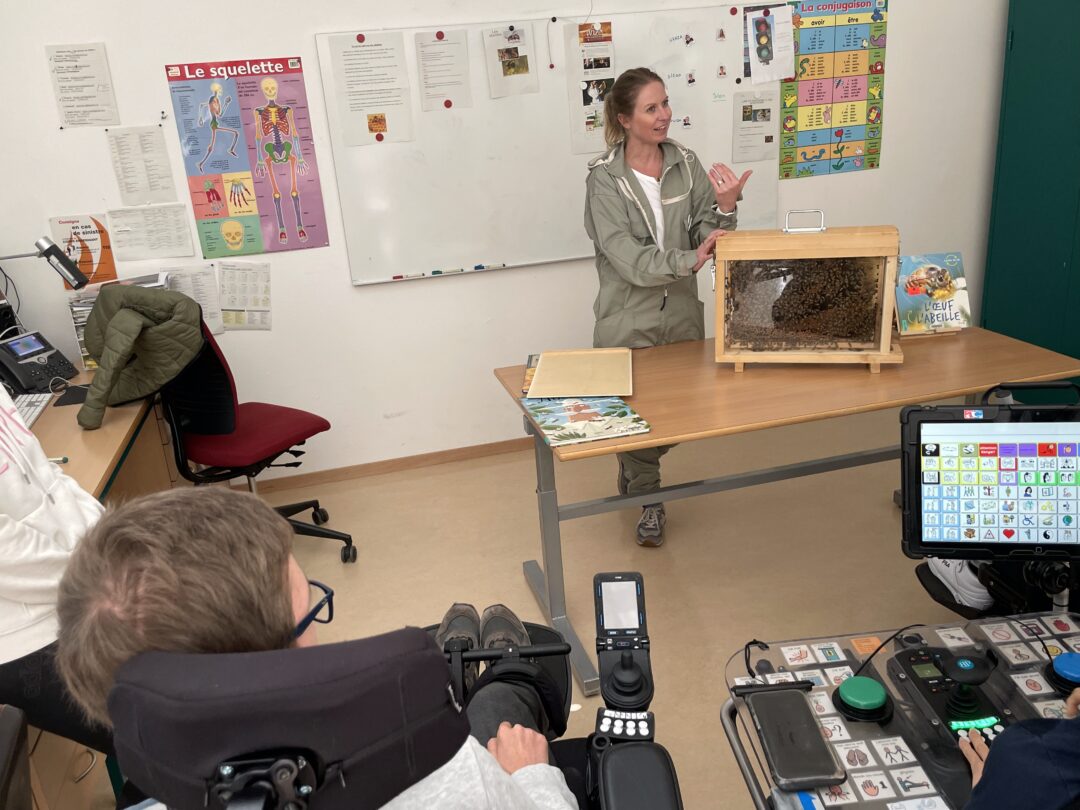
  • Deliver free educational workshops in Geneva primary schools, using classroom resources approved by the Department of Public Instruction (DIP).
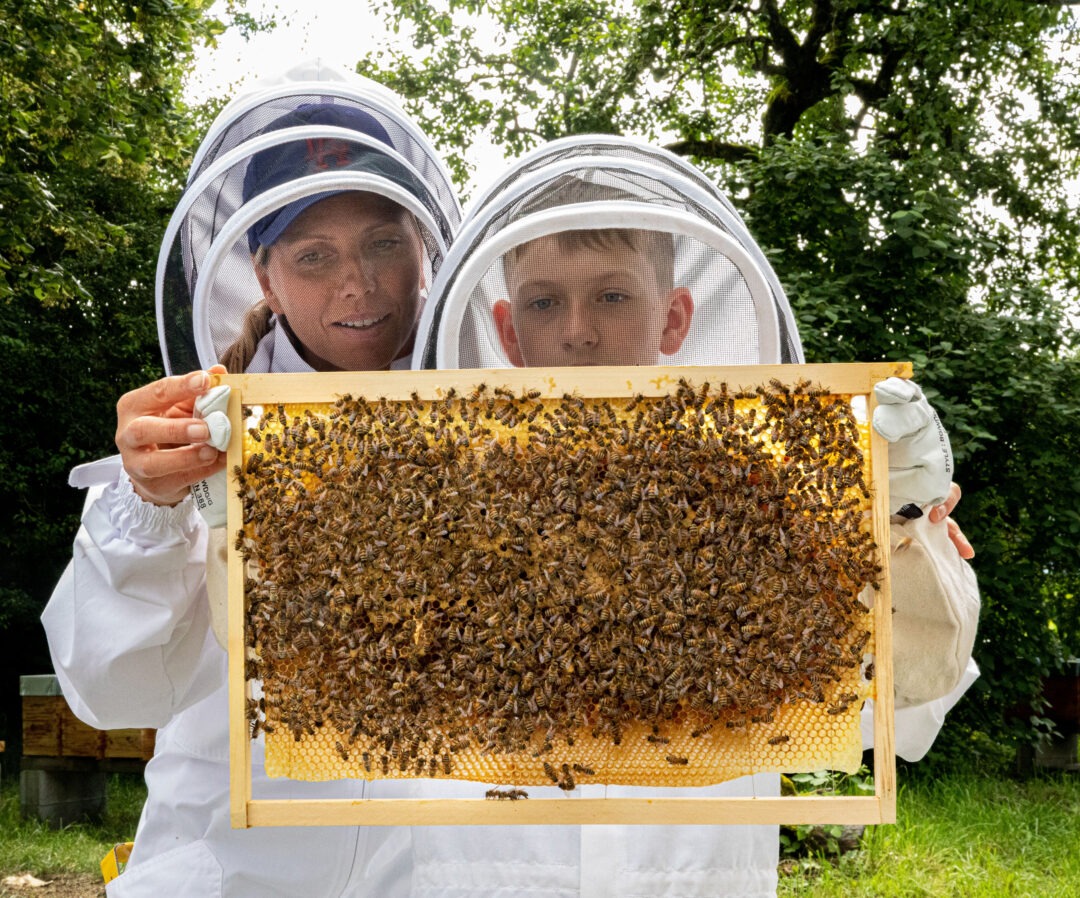
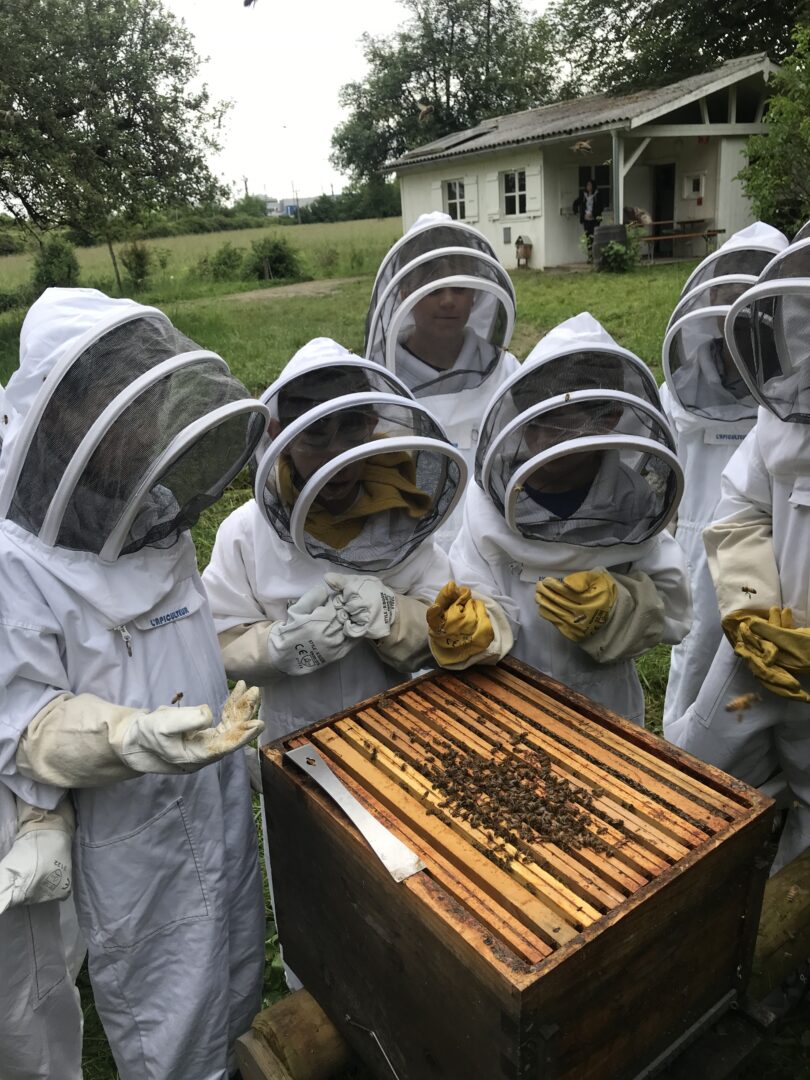
  • Welcome school groups and the general public to the Satigny educational apiary, offering hive observation sessions and immersive learning activities.
  • Strengthen educational resources and distribute a book to extend learning beyond the classroom and into the home.
  • Implement concrete biodiversity actions, including maintaining the apiary, planting wildflower meadows, and gradually opening activities to new audiences.

Contexte

Context


The decline of pollinators, particularly bees, is a major challenge for biodiversity, agriculture and food security. Yet their crucial role remains poorly understood, especially among children. Schools in Geneva have expressed strong interest in practical, immersive environmental education programmes that can transform knowledge into a lasting connection with nature and encourage biodiversity-friendly behaviours.

Objectives


  • Improve children’s understanding of the role of bees and other pollinators over the long term.
  • Change perceptions by addressing fears and misconceptions through direct experiences with living organisms.
  • Encourage biodiversity-friendly behaviours among children and, by extension, within their families.

Actions


  • Deliver free educational workshops in Geneva primary schools, using classroom resources approved by the Department of Public Instruction (DIP).
  • Welcome school groups and the general public to the Satigny educational apiary, offering hive observation sessions and immersive learning activities.
  • Strengthen educational resources and distribute a book to extend learning beyond the classroom and into the home.
  • Implement concrete biodiversity actions, including maintaining the apiary, planting wildflower meadows, and gradually opening activities to new audiences.
© Fondation Arche des Abeilles

Contexte

Context


The decline of pollinators, particularly bees, is a major challenge for biodiversity, agriculture and food security. Yet their crucial role remains poorly understood, especially among children. Schools in Geneva have expressed strong interest in practical, immersive environmental education programmes that can transform knowledge into a lasting connection with nature and encourage biodiversity-friendly behaviours.

Objectives


  • Improve children’s understanding of the role of bees and other pollinators over the long term.
  • Change perceptions by addressing fears and misconceptions through direct experiences with living organisms.
  • Encourage biodiversity-friendly behaviours among children and, by extension, within their families.

Actions


  • Deliver free educational workshops in Geneva primary schools, using classroom resources approved by the Department of Public Instruction (DIP).
  • Welcome school groups and the general public to the Satigny educational apiary, offering hive observation sessions and immersive learning activities.
  • Strengthen educational resources and distribute a book to extend learning beyond the classroom and into the home.
  • Implement concrete biodiversity actions, including maintaining the apiary, planting wildflower meadows, and gradually opening activities to new audiences.

Partner

Fondation Arche des Abeilles

La Fondation Arche des Abeilles a été créée à Genève en septembre 2019 par Stéphanie Vuadens, apicultrice professionnelle, et déclarée d'intérêt public en 2020. Elle œuvre pour la sauvegarde des abeilles domestiques et sauvages et pour la sensibilisation des jeunes générations, à travers des actions menées en lien avec le Département de l’Instruction Publique (DIP) et au sein de son rucher pédagogique de Satigny.